Techniques for Efficient Data Processing and Advanced Data Analysis

In recent years, rapid advances in computational sciences, including artificial intelligence and simulation, have led to their increasing adoption across diverse fields. In materials research and development, data-driven approaches that leverage large datasets have attracted considerable attention. In data-driven research, efficiently processing and analyzing acquired data is crucial. In addition to data analyses that combine our general-purpose atomistic simulator Matlantis™, developed jointly with Preferred Networks and employing proprietary AI technologies and first-principles calculations, we are pursuing the automation of various analytical data-processing workflows, including those for infrared (IR) spectroscopy, to improve analytical efficiency.
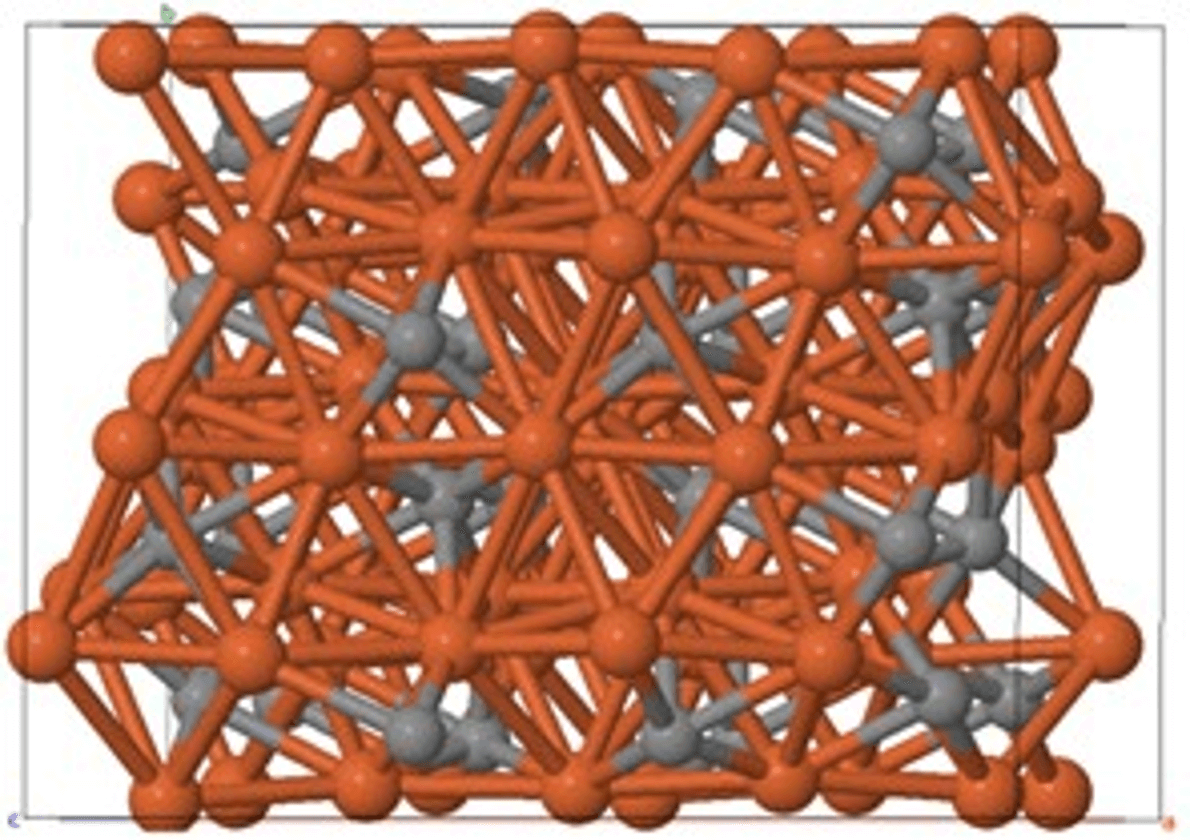
As a concrete example, we predict structural changes of catalysts under realistic reaction conditions using simulations, and computationally validate the analytical data derived from the resulting structures. We are also investigating the automated analysis of three-dimensional grease distribution data within bearings, acquired by neutron computed tomography (neutron CT), using artificial intelligence. Going forward, we will continue to promote novel approaches that integrate analytical techniques and computational science to accelerate the research and development cycle and to address industrial and research challenges.